

About
Mongolia
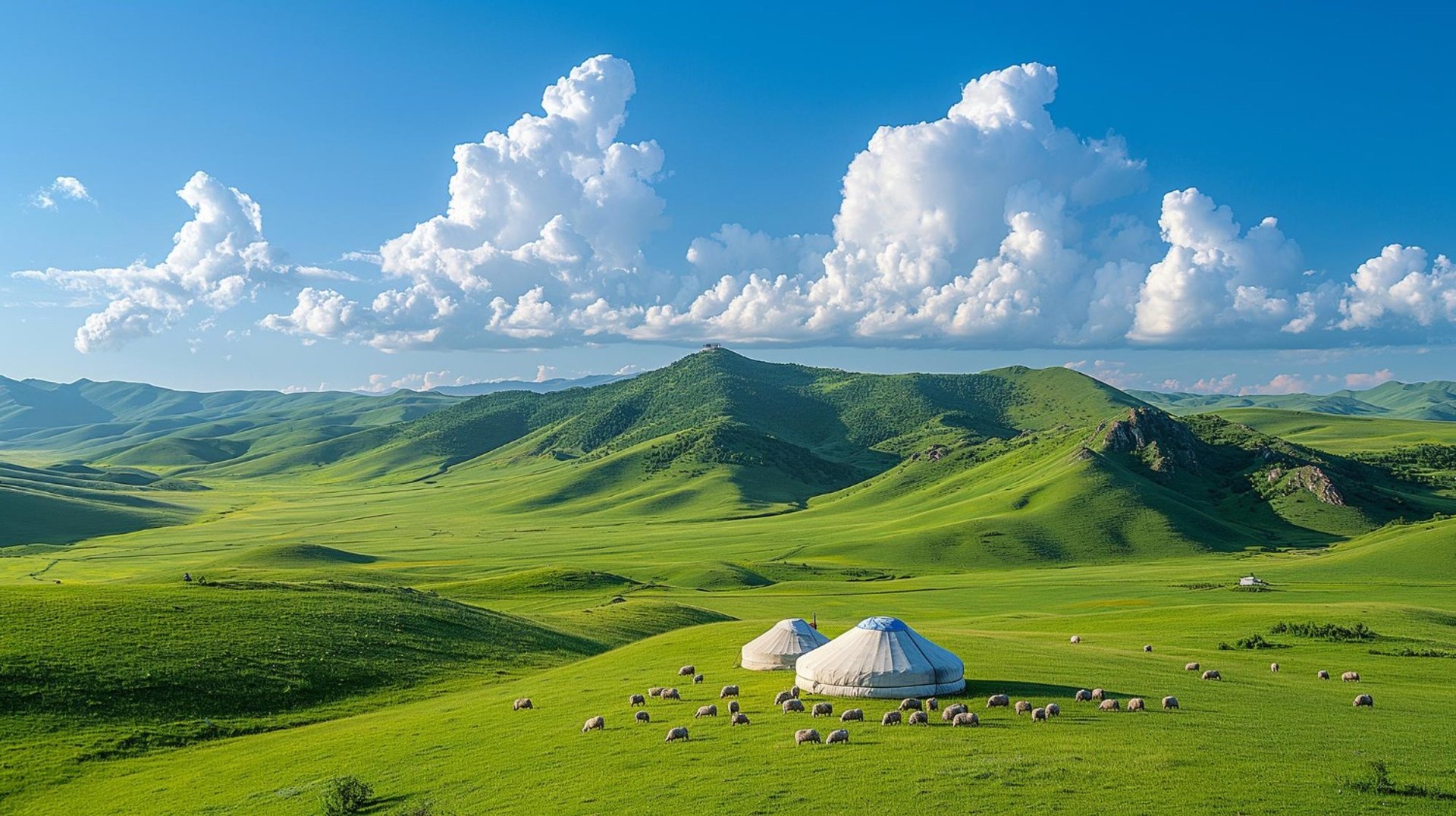
Welcome to the heart of Asia—a land of vast steppes, ancient history, and the eternal blue sky. With just 3.6 million people across 1.56 million km², Mongolia offers a rare luxury: true, fence-free freedom. From the legacy of Chinggis Khaan to the legendary hospitality of our nomads, this is one of the world’s last truly undiscovered destinations. It is not just a country; it is one vast national park waiting to be explored.
Mongolia regions
Central Mongolia: The Cultural Heartland
The Vibe: Green rolling hills, nomadic history, and open steppes. This is the most accessible region and perfect for first-time visitors who want a mix of history and nature without days of off-road driving.
Key Highlights:
Orkhon Valley: A UNESCO World Heritage site and the spiritual center of nomadic empiresв
Karakorum (Kharkhorin): The ancient capital of the Mongol Empire, home to the massive Erdene Zuu Monastery.
Tsenkher Hot Springs: Natural thermal pools surrounded by forested hills—perfect for relaxing after a horse trek.
Elsen Tasarkhai (Mini Gobi): A small strip of sand dunes where you can ride camels without traveling all the way south.
The Gobi Desert (South): Land of Dinosaurs & Dunes
The Vibe: Dramatic, vast, and otherworldly. It’s not just sand; it’s a landscape of red cliffs, ice canyons, and gravel plains.
·Key Highlights:
Khongor Sand Dunes (Singing Sands): Massive dunes that reach 300m high and "hum" when the wind shifts the sand.
The Flaming Cliffs (Bayanzag): Glowing red sandstone cliffs where the world’s first dinosaur eggs were discovered.
Yolyn Am (Valley of the Eagles): A deep, narrow gorge that stays so cool it often retains ice well into the summer.
Camel Trekking: Riding the two-humped Bactrian camel is a must-do experience here.
Western Mongolia: The Wild Frontier
The Vibe: Rugged, mountainous, and culturally distinct. This region is home to the Altai Mountains and the Kazakh minority, famous for their eagle hunting traditions.
Key Highlights:
Altai Tavan Bogd National Park: Home to Mongolia’s highest peaks and massive glaciers (Potanin Glacier).
Eagle Hunters: Visit purely to see the Golden Eagle Festival (October) or stay with a Kazakh family to witness this ancient practice.
Khoton & Khurgan Lakes: Stunning alpine lakes bordering China, set against snow-capped peaks.
Northern Mongolia: The Blue Pearl
The Vibe: Alpine and Siberian. The landscape shifts to taiga forests, crystal clear lakes, and log cabins. It feels more like Switzerland or Siberia than the steppes.
Key Highlights:
Lake Khövsgöl: Known as the "Blue Pearl of Asia," it holds 70% of Mongolia’s fresh water. It’s a paradise for kayaking, horse riding, and hiking.
The Tsaatan People: In the remote taiga, you can visit the Dukha people, the world’s last nomadic reindeer herders.
Amarbayasgalant Monastery: One of the most beautiful and well-preserved baroque-style Buddhist complexes in the country
Eastern Mongolia: The Birthplace of Legends
The Vibe: Untouched and endless. This is the least visited region, offering an ocean of grass (the Menen Steppe) and deep historical significance.
Key Highlights:
Dadal: The birthplace of Genghis Khan. A pilgrimage site for history buffs, surrounded by beautiful pine forests and lakes.
Menen Steppe: The largest untouched grassland in the world. Thousands of white-tailed gazelles migrate here.
Baldan Bereeven Monastery: A hidden gem built into a granite cliffside, offering incredible hiking opportunities.
NAADAM FESTIVAL
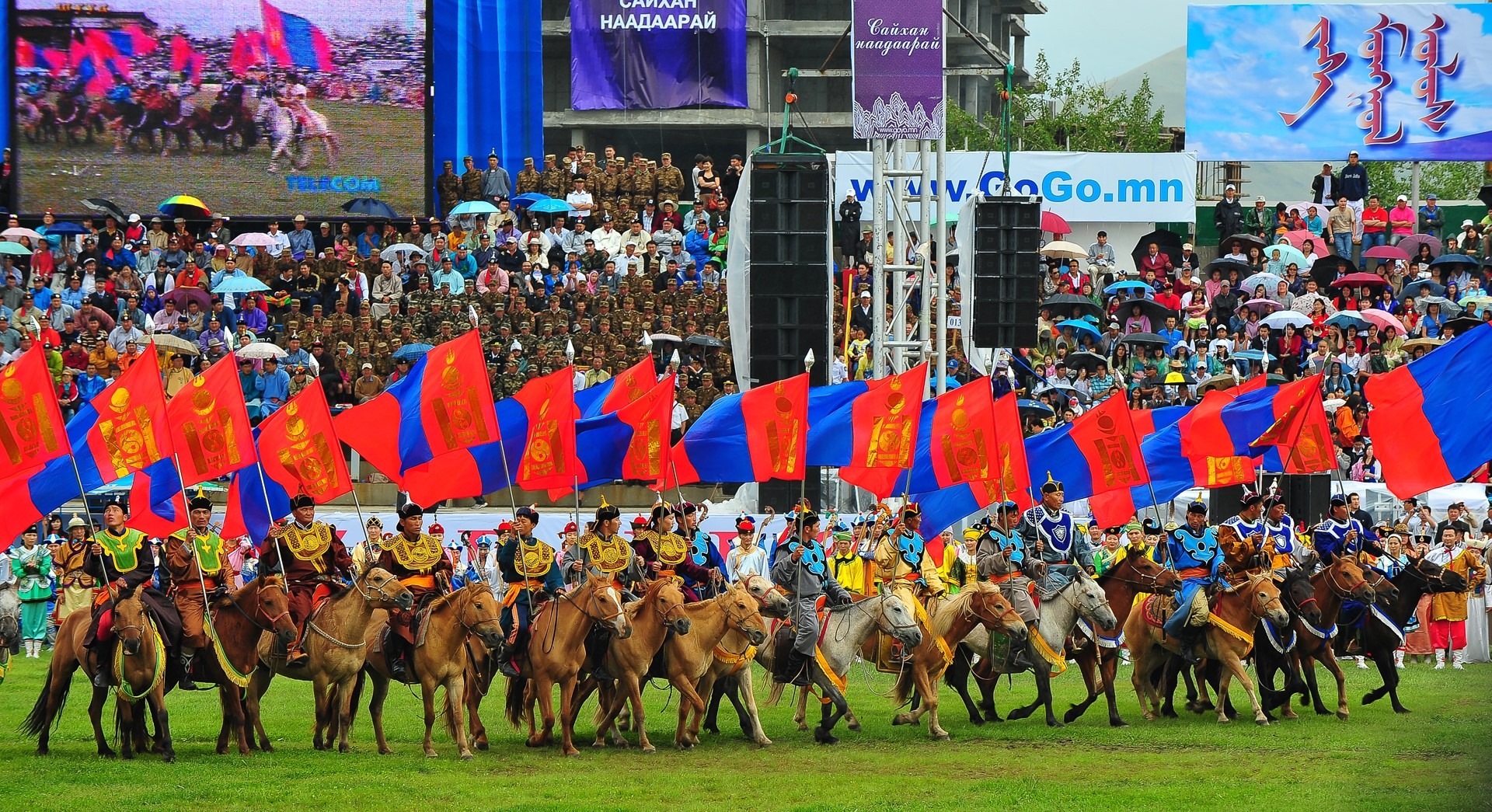
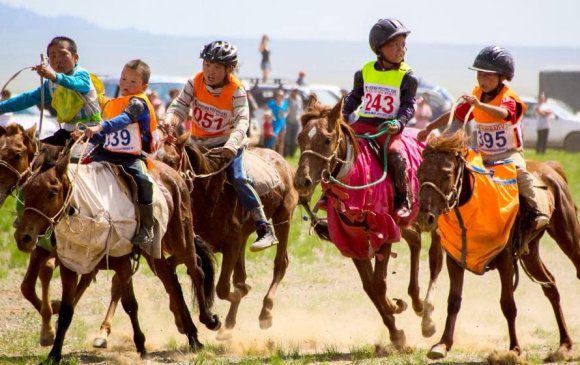
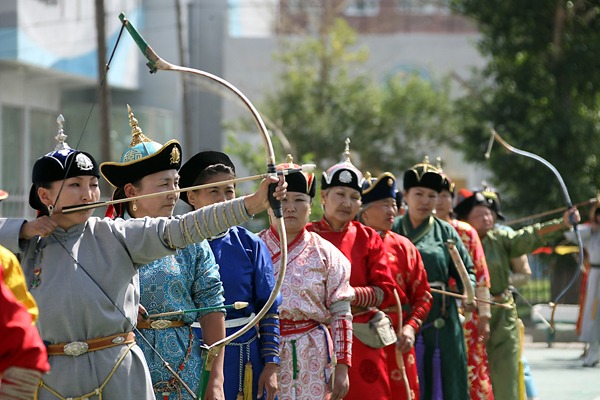
Naadam is a national festival celebrated every year from 11 to 15 July across Mongolia that focuses on three traditional games: horseracing, wrestling and archery. Mongolian Naadam is inseparably connected to the nomadic civilization of the Mongols, who have long practiced pastoralism on Central Asia’s vast steppe.
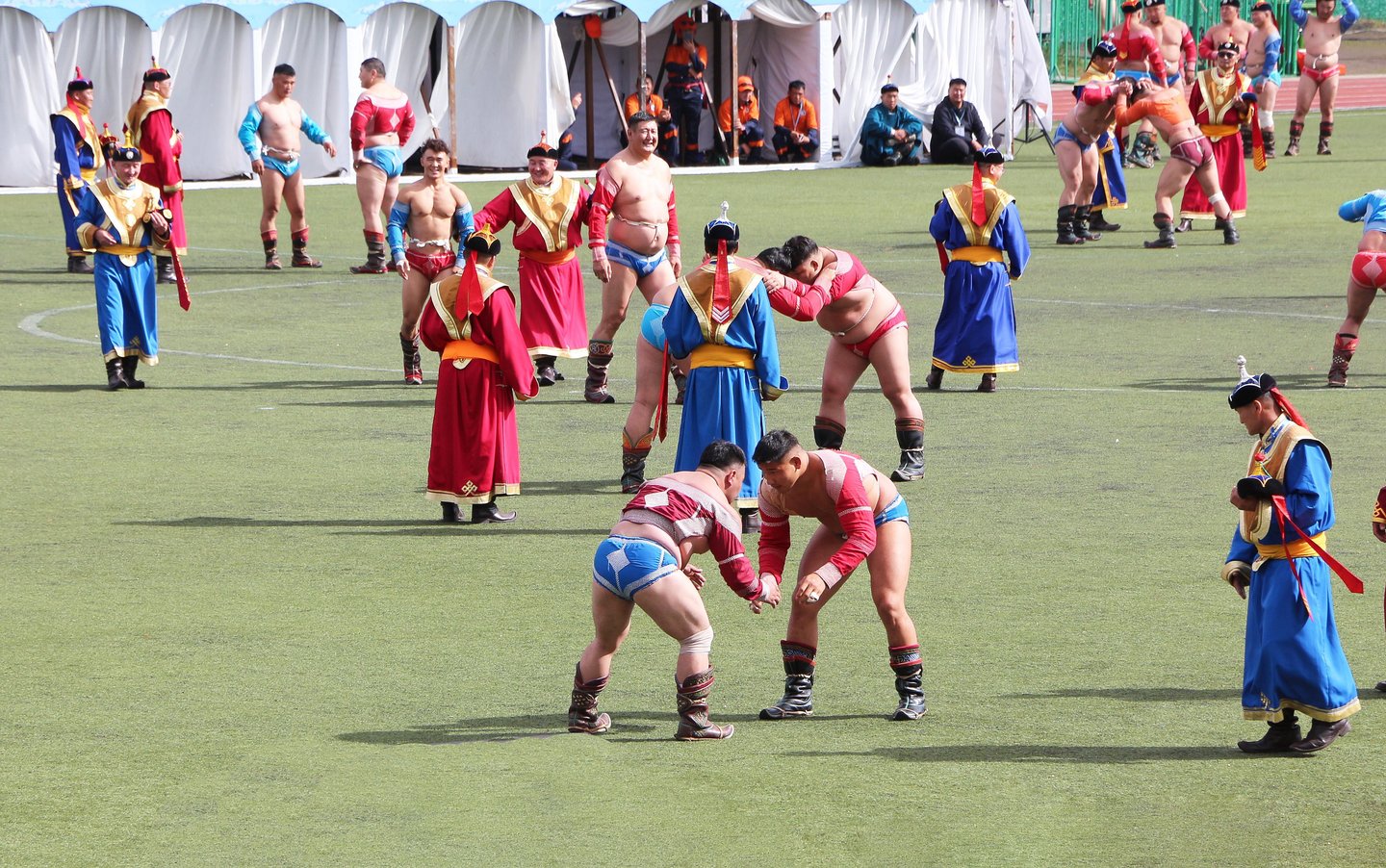
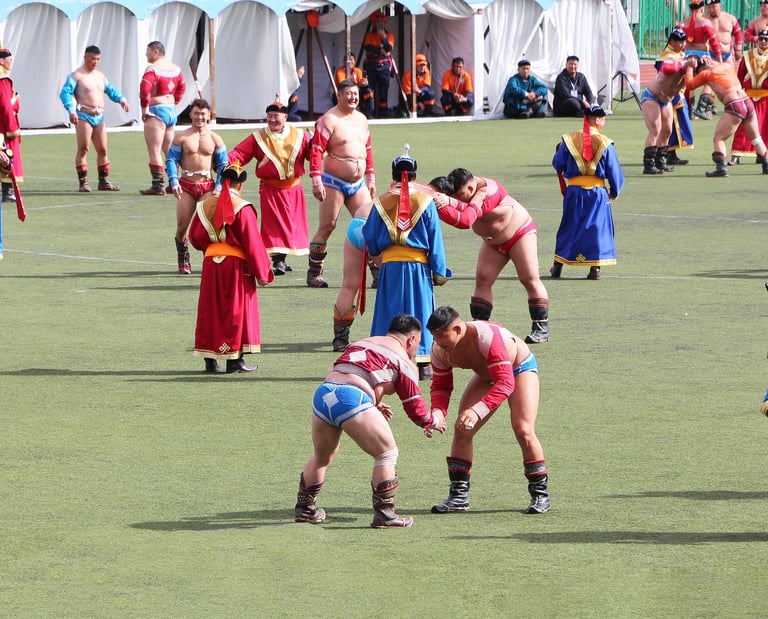
Wrestling. At the start of competition all the wrestlers with the higher title – holder in front , enter the hall in a line wearing gutuls (decorated Mongolian boots. ) and hats and their wrestling costumes called “zodog”(an open fronted , long sleeves vest of silk) and “shuudag”(tight short trunks ).
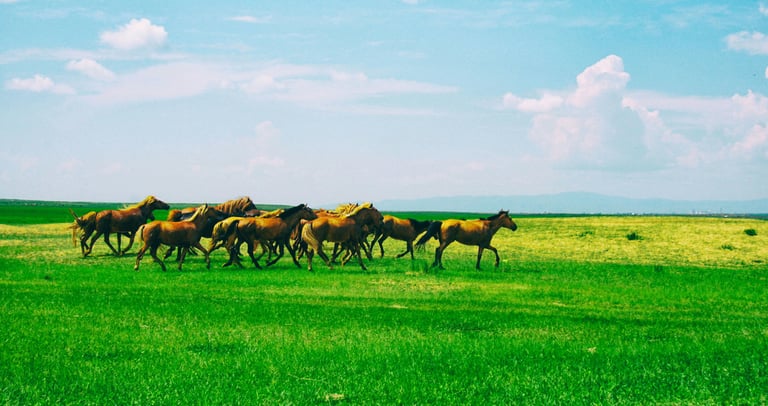
Horse. Mongolian people have loved horse racing since time immemorial. A whole system for conducting the contests has developed over the centuries. In the races held during national festivals, including Naadam, participants are six age groups and the distances range from 15-30kms.
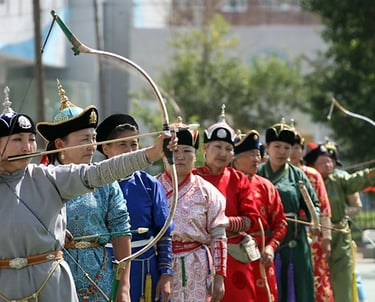
Archery. The third element of the national games is archery. Five lines engraved on an ancient Mongolian target immortalize the phenomenal record of Yesuhei-baatar, saying that his arrow hit the target at a distance of 536 meters. The bow is an ancient invention going back to the Mesolithic Period
Weather in Mongolia
Ulaanbaatar: The World’s Coldest Capital
Located at 1,350m (4,430ft) above sea level, Ulaanbaatar experiences a harsh continental climate. It is dry, windy, and famous for its crystal-clear blue skies, even in the depths of winter.
Seasonal Breakdown
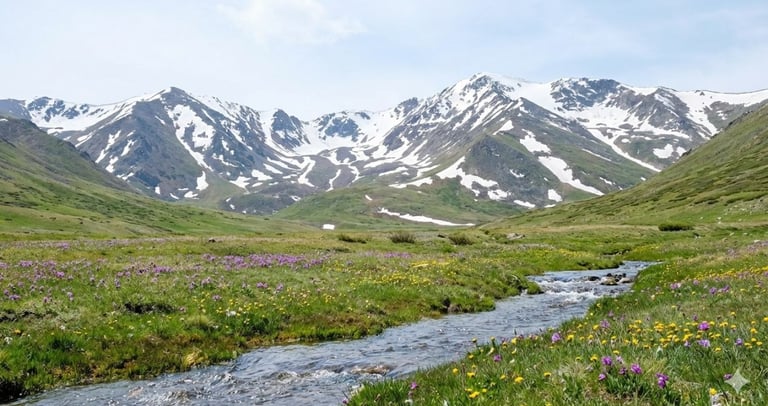
Summer (Mid-June to August): The Golden Season
Weather: Pleasant and warm during the day, cooling down significantly at night. This is the rainy season, but rain usually comes in short, refreshing bursts rather than day-long drizzles.
Temperatures: Average highs of 20°C to 25°C (68°F - 77°F). Rare heatwaves can hit 30°C+.
Travel Vibe: The city comes alive. Naadam Festival (July) happens during peak heat.
Autumn (September to October): Crisp & Colorful
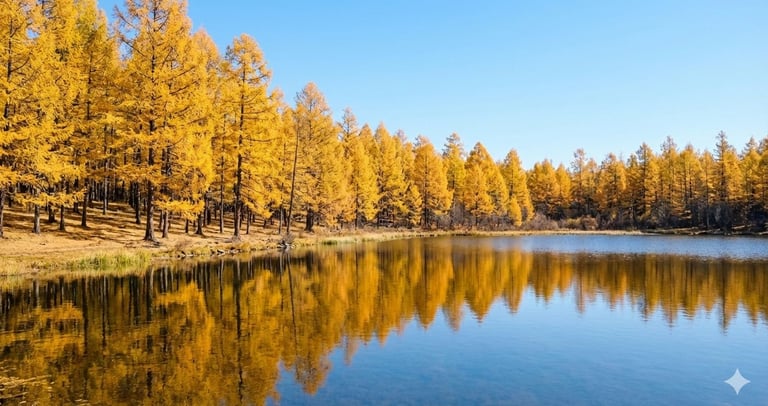
Weather: Dry, sunny, and rapidly cooling. The surrounding hills turn golden. Frost is common by late September.
Temperatures: Highs drop from 15°C to 0°C quickly over these two months.
Travel Vibe: Perfect for photography and culture, though nights require thermal layers.
Winter (November to March): The Deep Freeze
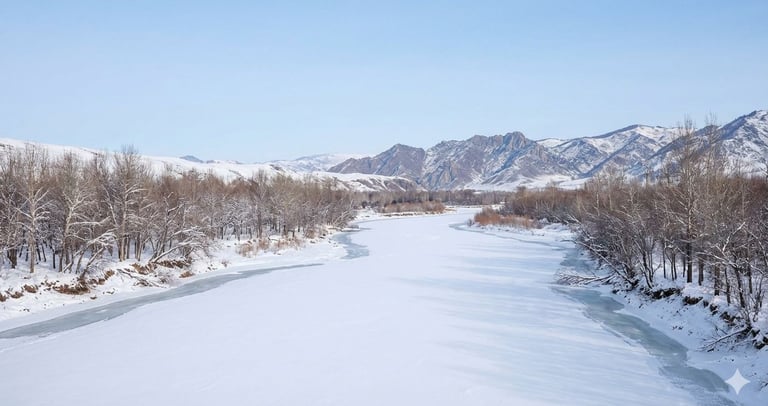
Weather: Extremely cold and dry. Snowfall is light but doesn't melt, creating a permanent white cover.
Temperatures: Consistently between -20°C and -30°C (-4°F to -22°F). Nights can drop to -40°C.
Warning: Winter air pollution in the city can be severe due to coal burning.
Spring (April to early June): The Windy Awakening
Weather: Unpredictable. Known for dust storms and high winds. You might experience snow, rain, and sunshine all before lunch.
Temperatures: Ranging from -5°C to +15°C.
The Gobi Desert: Land of Extremes
The Gobi is not a sandy Sahara-style desert; it is a rocky, semi-arid gravel desert with soaring dunes. The defining feature here is the Diurnal Temperature Range—the difference between day and night temperatures can be massive (up to 30°C difference).
Seasonal Breakdown
Summer (June to August): Scorching Days, Cool Nights
o Weather: The heat is dry, so it is more bearable than humid climates. However, the sun is incredibly intense.
o Temperatures: Daytime highs of 30°C to 40°C (86°F - 104°F). Nights can cool down to a comfortable 15°C (59°F).
o Alert: Flash floods can occur in canyons (like Yolyn Am) during sudden summer downpours.
Autumn (September to October): The Best Time to Visit
o Weather: The heat subsides, the winds die down, and the skies are incredibly clear for stargazing.
o Temperatures: Pleasant highs of 18°C to 23°C, but freezing nights start in October.
Winter (November to February): Frozen Beauty
o Weather: The Gobi sees very little snow, but the ground freezes solid. It is dangerously cold for the unprepared.
o Temperatures: Can drop to -40°C.
o Highlight: Seeing the Bactrian camels in their thick winter wool coats.
Spring (March to May): The Dust Season
o Weather: Notorious for the "Yellow Dust" storms. Strong winds whip up sand and grit, reducing visibility.
o Travel Advice: Generally recommended to avoid the Gobi in early spring unless you are a hardy adventurer.
About Us
Explore Mongolia was founded in 2021 and aims to provide quality products and services to travelers visiting Mongolia. It also works with international travel agencies to organize tours through Mongolia and provide travel products and services to other countries in Asia.
Mission, Vision
Our mission is to provide quality tourism products to our customers visiting Mongolia. In doing so, we strive to promote Mongolian culture and lifestyle to the world while supporting the local economy without harming the environment.
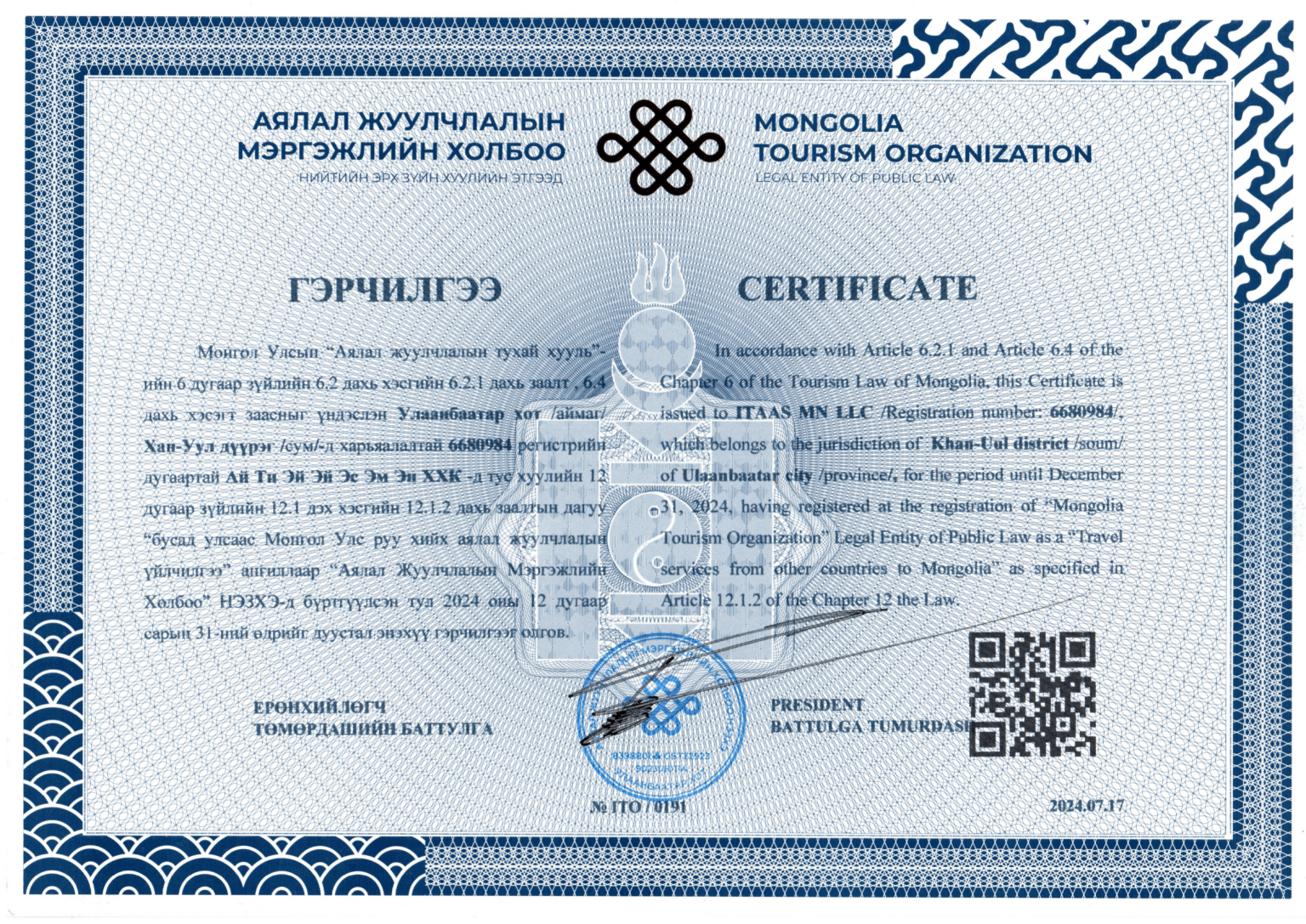
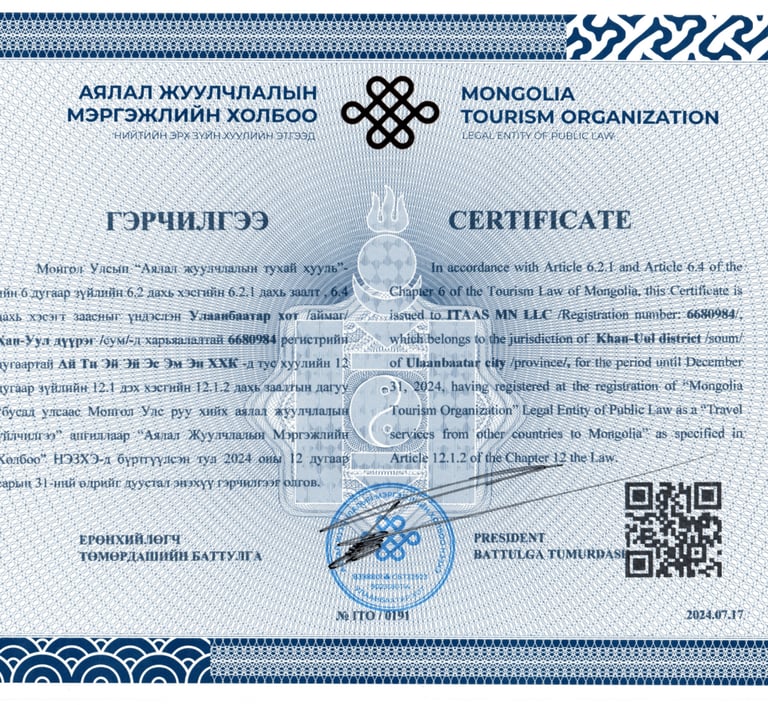
Organization Certified As A Travel Service Provider
Contact Us
Phone
info@exploremongolia.mn
+976-98101199
+976-77070022
© 2026. All rights reserved.
SOCIAL
ADDRESS